Best photo locations in Iceland 2026: stunning spots
Best photo locations in Iceland 2026: stunning spots ! Photographer at Jökulsárlón Glacier Lagoon sunrise Choosing the perfect photo locations in Iceland can feel overwhelming when you're balancing dramatic scenery, seasonal lighting, accessibility, and the reality that some spots see over 4,000 visitors daily during peak season.
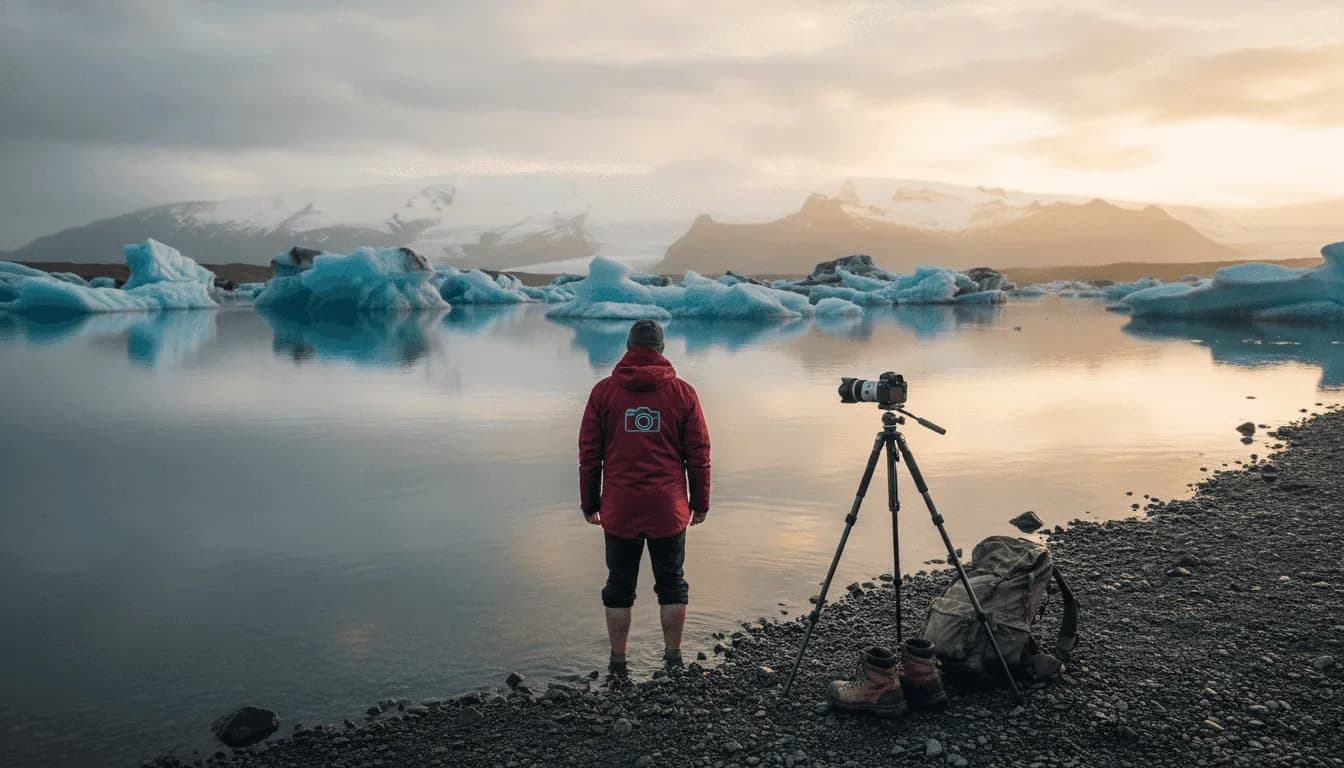
Choosing the perfect photo locations in Iceland can feel overwhelming when you’re balancing dramatic scenery, seasonal lighting, accessibility, and the reality that some spots see over 4,000 visitors daily during peak season. This guide walks you through essential criteria, iconic and offbeat locations, seasonal considerations, and practical tips to help you capture Iceland’s breathtaking landscapes while maximizing your adventure in 2026.
Table of Contents
- How To Choose The Best Photo Locations In Iceland: Essential Criteria
- Iconic Locations For Stunning Iceland Photography
- Off-The-Beaten-Path Photo Locations In Iceland
- Seasonality And Lighting: How Timing Shapes Your Iceland Photos
- Accessibility And Travel Logistics For Iconic And Remote Locations
- Comparison Of Iconic Vs. Offbeat Photo Locations
- Practical Photography Tips And Equipment Recommendations
- Situational Recommendations: Choosing The Right Iceland Photo Spot For Your Adventure
- Explore Professional Iceland Photography Services With Lucy Moments
Key takeaways
| Point | Details |
|---|---|
| Evaluation criteria | Landscape uniqueness, accessibility, seasonality, and crowd levels determine the best photo locations for your goals. |
| Iconic locations | Jökulsárlón, Golden Circle, and Vestrahorn offer dramatic scenery but require timing strategies to avoid crowds. |
| Offbeat alternatives | Landmannalaugar and Fjaðrárgljúfur provide unique visuals with fewer visitors but demand careful planning for access. |
| Seasonal impact | Midnight sun in summer extends golden hour, while winter offers aurora opportunities with limited daylight. |
| Practical preparation | Weather-sealed gear, early shooting times, and 4x4 vehicles optimize safety and photographic results. |
How to choose the best photo locations in Iceland: essential criteria
Selecting the right Icelandic photography spot starts with understanding what makes a location work for your specific vision and travel style. Landscape diversity matters because Iceland’s volcanic terrain, glaciers, waterfalls, and geothermal features create vastly different visual opportunities. You want spots that offer unique geological formations or dramatic natural phenomena that align with your photographic goals.
Accessibility shapes your entire trip logistics. Some locations require 4x4 vehicles, extensive hiking, or specialized permits, while others sit directly off main roads with visitor facilities. Your physical fitness level, available time, and vehicle type determine which spots are realistic for your itinerary.
Seasonal lighting and weather profoundly affect results. Iceland’s extreme latitude means summer brings nearly 24-hour daylight with extended golden hours, while winter limits shooting windows but offers aurora potential. Weather shifts rapidly, so understanding when conditions favor your desired shots helps you plan effectively.
Crowd levels impact both composition and experience. Popular spots fill with tour buses mid-day, making early morning or late evening visits essential for clean frames. Visitor density varies dramatically by season and location, influencing whether you can capture solitude or must work around people.
Photographic features differentiate locations spiritually and visually. Consider whether you need foreground interest like icebergs, leading lines from rivers or roads, reflective surfaces, or dramatic scale contrasts. Matching these elements to your how to choose iceland photo locations vision ensures you invest time in spots that deliver your desired aesthetic.
Pro Tip: Create a priority list ranking locations by must-have features versus nice-to-have elements, then map them geographically to minimize driving time between shoots.
Iconic locations for stunning Iceland photography
Jökulsárlón Glacier Lagoon stands as Iceland’s most photographed spot for good reason. Massive icebergs calve from Breiðamerkurjökull glacier, drifting through the lagoon before washing onto Diamond Beach’s black sand. The ice reflects blue hues in sunlight and glows during golden hour, creating constantly changing compositions. Accessibility is excellent with parking and facilities, but expect crowds from 10am to 4pm during summer.
The Golden Circle route packs three diverse locations into a manageable day trip. Þingvellir National Park offers the dramatic rift between tectonic plates, Geysir geothermal area erupts every few minutes, and Gullfoss waterfall cascades in two tiers. This circuit works perfectly for travelers with limited time who want variety, though each spot attracts heavy tourist traffic.
Vestrahorn mountain features striking volcanic peaks that reflect perfectly in shallow tidal pools when conditions align. The black sand beach foreground creates dramatic leading lines toward the 454-meter summit. Private land access requires a small fee at Vestrahorn Café, but this filters some visitors. Early morning shoots capture the mountain in soft light with minimal wind disturbing reflections.
Svartifoss waterfall showcases distinctive hexagonal basalt columns framing the 20-meter drop. The 1.5-kilometer hike from Skaftafell visitor center takes about 45 minutes, deterring casual tourists and reducing crowds. Winter ice formations add sculptural elements, while summer greenery softens the volcanic rock contrast.
These photography locations in Iceland deliver reliable results but require strategic timing. Arrive before 8am or after 6pm during peak season to work without tour groups. Weather variability means backup days in your schedule help ensure you capture optimal conditions at these priority spots.
Off-the-beaten-path photo locations in Iceland
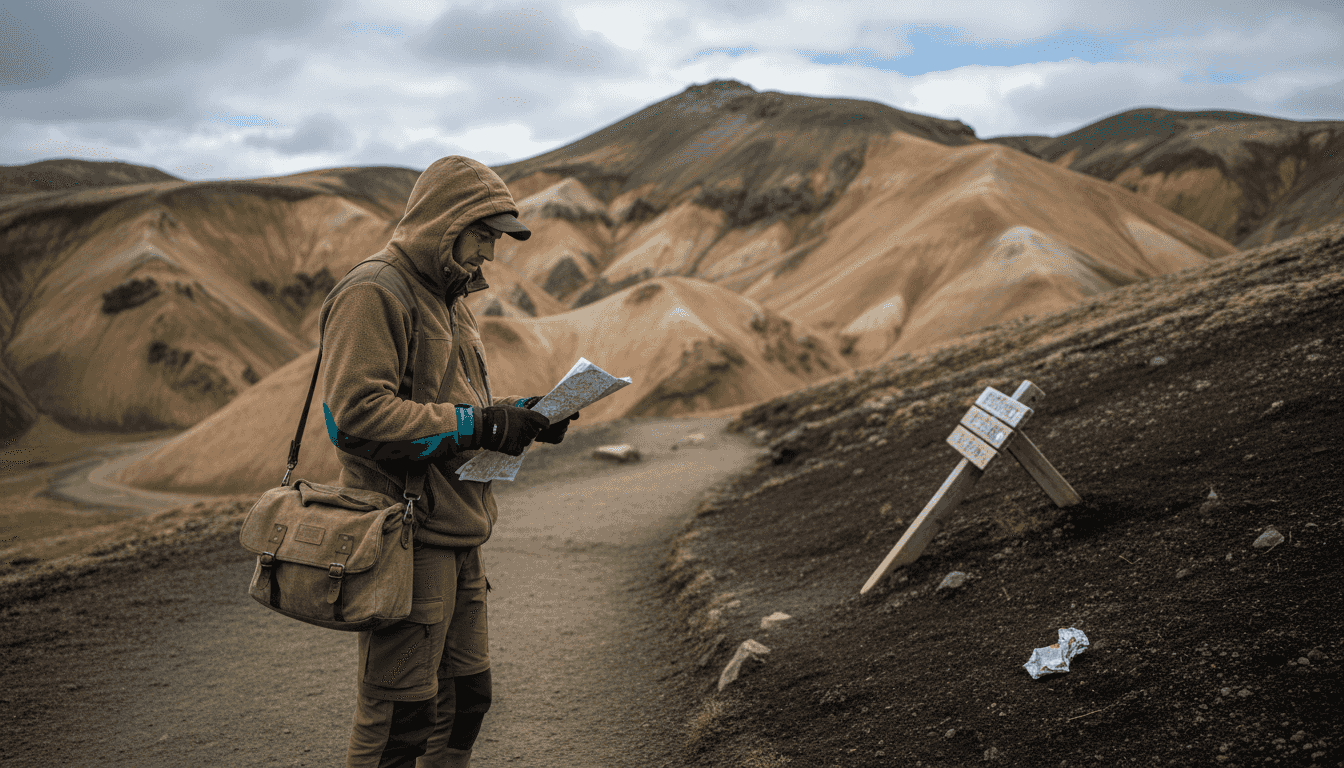
Landmannalaugar’s colorful rhyolite mountains create surreal landscapes that look hand-painted. Iron, sulfur, and other minerals stain the peaks in rust, yellow, green, and blue tones you won’t find elsewhere in Iceland. Natural hot springs provide foreground interest and atmospheric steam. The highland location requires 4x4 vehicles and operates only June through September when F-roads open.
Fjaðrárgljúfur canyon offers winding river views through 100-meter moss-covered cliffs that demonstrate Iceland’s unique ecosystem. The canyon stretches two kilometers with multiple viewpoints accessible via marked trails. Dramatic scale works beautifully for wide-angle compositions showing the river carving through ancient rock. Limited facilities mean fewer visitors linger, giving you space to experiment with angles.
Remote locations demand thorough planning. Check road conditions on road.is before departing, pack emergency supplies including extra food and water, and download offline maps since cell service becomes spotty. Weather shifts rapidly in highlands, so monitor forecasts and be prepared to postpone if conditions deteriorate.
These spots reward adventurous photographers with unique visuals impossible at mainstream locations. The solitude lets you work at your own pace, experimenting with compositions without pressure from waiting crowds. Physical demands vary, with some requiring moderate hiking fitness and others accessible to most visitors willing to drive rough roads.
Seasonality and lighting: how timing shapes your Iceland photos
Summer’s midnight sun transforms photography schedules completely. The sun barely dips below the horizon from June through July, creating extended golden hours that last three to four hours on each side of midnight. Soft, directional light persists through what would normally be harsh midday hours, giving you flexibility to shoot iconic locations when crowds thin after dinner time.
Winter brings aurora borealis opportunities but shrinks daylight to four hours around the December solstice. Plan your shooting schedule carefully because you’ll lose afternoon light by 3pm, making early starts essential. Aurora photography requires clear skies, low light pollution, and solar activity, with September through March offering the best chances for displays.
Optimal months vary by location and photographic goals. May and September balance decent daylight hours with fewer tourists and dramatic weather. Waterfalls flow strongest during spring melt, while fall colors peak in late September at highland locations before snow closes roads.
Timing your shoots to early morning or late evening maximizes light quality year-round. Golden hour provides warm tones and long shadows that add dimension to landscapes. Blue hour after sunset offers moody atmospheres perfect for capturing Iceland’s dramatic character, especially at coastal locations where you can use longer exposures on moving water.
Planning considers both daily light duration and seasonal accessibility. Highland roads close October through May, eliminating access to locations like Landmannalaugar regardless of your timing preferences. Iceland natural light mastery techniques help you adapt to whatever conditions you encounter.
Pro Tip: Build your itinerary around weather forecasts rather than rigid schedules, keeping two to three location options available for each shooting block so you can chase the best conditions.
Accessibility and travel logistics for iconic and remote locations
4x4 vehicles become essential once you venture beyond the Ring Road. Highland F-roads feature river crossings, loose gravel, and steep grades that standard rental cars cannot handle safely. Insurance typically excludes coverage for non-4x4 vehicles on these routes, leaving you liable for damages. Budget for higher rental costs if your shot list includes remote locations.
Main tourist routes along the Ring Road and Golden Circle offer developed infrastructure with regular gas stations, restaurants, and accommodations. Parking areas accommodate buses and multiple vehicles, though spaces fill quickly at popular spots during summer. Cell service remains reliable, and road conditions stay maintained year-round except during severe storms.
Remote sites may lack facilities entirely. Bring sufficient food, water, and fuel for extended drives between services. Some highland huts provide basic shelter but require advance booking. GPS coordinates help navigate unmarked turnoffs, and paper maps serve as backup when devices fail in cold temperatures.
Seasonal road closures affect availability of premier photo locations. The Icelandic Road and Coastal Administration opens F-roads only after spring thaw, typically late June, and closes them again by September when weather deteriorates. Check current status daily during shoulder seasons because conditions change rapidly.
Permits and safety considerations apply in protected areas and private land. Some waterfalls and natural features sit on farms requiring access fees. Stay on marked paths to prevent erosion and respect closure signs protecting fragile ecosystems. Weather emergencies happen quickly, so register your travel plans with SafeTravel.is and carry emergency communication devices in remote areas.
Comparison of iconic vs. offbeat photo locations
Iconic locations deliver instantly recognizable drama that viewers connect with immediately. Jökulsárlón’s icebergs and Vestrahorn’s reflections produce portfolio pieces that showcase Iceland’s legendary beauty. Well-maintained access means you spend more time shooting and less time navigating logistics, maximizing productivity during limited trip days.
Offbeat locations provide uniqueness that sets your work apart from thousands of other Iceland galleries. Landmannalaugar’s painted mountains and Fjaðrárgljúfur’s textured cliffs offer fresh perspectives that surprise viewers. Solitude lets you work methodically without rushed compositions or people in your frames.
Trip duration impacts which location type fits best. Short visits of five to seven days benefit from iconic spots clustered along the Ring Road, maximizing variety with minimal driving. Extended trips of two weeks or more allow time for highland adventures and weather contingencies that remote locations require.
Each location type supports different photographic genres and experiences. Iconic spots work perfectly for clients wanting classic Iceland imagery, while offbeat locations serve photographers building distinctive portfolios. Your goals determine the right balance between reliability and uniqueness.
| Factor | Iconic Locations | Offbeat Locations |
|---|---|---|
| Visual Drama | Immediately recognizable, proven compositions | Unique perspectives, fresh visual storytelling |
| Accessibility | Paved roads, facilities, year-round access | 4x4 required, limited facilities, seasonal only |
| Crowds | Heavy traffic 10am-4pm, requires timing strategy | Minimal visitors, shoot at your own pace |
| Best Season | Year-round with seasonal variations | Summer only for highlands, weather-dependent |
| Trip Length | Ideal for short visits, efficient routing | Requires extended time, flexible schedule |
Practical photography tips and equipment recommendations
Wide-angle lenses between 16mm and 35mm capture Iceland’s expansive landscapes effectively. A 16-35mm f/4 zoom provides versatility for different compositions without changing glass in harsh weather. Telephoto options in the 70-200mm range compress distant elements like glaciers and mountains, isolating details that wide shots miss.
Ideal shooting times avoid crowds and maximize atmospheric light. Arrive at popular locations before 7am when tour buses haven’t yet departed Reykjavik. Evening shoots after 7pm catch golden hour and departing visitors simultaneously. Mid-day works for scouting, hiking to remote viewpoints, or capturing waterfalls where bright light enhances water detail.
Prepare for rapidly changing weather by layering clothing and protecting gear. Waterproof camera covers shield against Iceland’s frequent rain and sea spray. Lens cloths in easy-reach pockets let you quickly wipe water spots. Cold temperatures drain batteries faster, so carry extras in inside pockets where body heat maintains charge.
Filters and tripods enhance landscape images significantly. Polarizing filters cut glare from wet rocks and deepen sky tones. Neutral density filters enable long exposures that smooth water and clouds even in bright conditions. Sturdy tripods handle Iceland’s persistent wind, essential for sharp images during low-light aurora or blue hour shoots.
Iceland photography tips and lenses help you prepare specific gear configurations. Capturing Iceland natural light techniques optimize exposure decisions in challenging conditions. Study winter camping tips for Iceland if you plan extended backcountry photography.
Pro Tip: Pack microfiber towels and silica gel packets to manage moisture that condenses on gear when moving between cold outdoors and heated vehicles, preventing lens fog during critical shooting moments.
Situational recommendations: choosing the right Iceland photo spot for your adventure
Aurora photography demands dark skies away from Reykjavik’s light pollution. Þingvellir National Park combines accessible facilities with sufficient darkness only 45 minutes from the city. Þórsmörk valley offers dramatic mountain backdrops for aurora compositions, though it requires 4x4 access and rewards overnight stays when displays peak after midnight.
Glacier close-ups work best at Jökulsárlón lagoon where icebergs drift within easy reach of the shoreline. Diamond Beach provides endless variety as waves sculpt ice into unique shapes, changing compositions every few minutes. Bring telephoto and wide options because some bergs float near while others create distant patterns worth compressing.
Volcanic and colorful landscapes highlight Landmannalaugar’s unique geology. The rhyolite peaks photograph beautifully in overcast conditions that would flatten other locations, making it ideal when weather doesn’t cooperate at coastal spots. Plan full-day excursions since the four-hour drive each direction from Reykjavik makes quick visits impractical.
Golden Circle suits travelers with limited time seeking maximum variety. You’ll capture tectonic rifts, erupting geysers, and powerful waterfalls within a compact route requiring just one day. Extend to two days for optimal light at each location rather than rushing through on tour bus schedules.
Match spots to your hiking ability and gear for best experiences. Svartifoss requires moderate fitness for the approach hike but rewards with unique basalt formations. Vestrahorn needs only short beach walks from parking, perfect when you’re traveling with varied fitness levels or managing heavy photography equipment. Choosing Iceland photo locations based on honest assessment of your capabilities ensures you enjoy the adventure rather than struggling through unsuitable terrain.
Review best Iceland photography ideas 2026 for seasonal inspiration and why photographers choose Iceland to understand what makes these locations globally unique for landscape work.
Explore professional Iceland photography services with Lucy Moments
Navigating Iceland’s photography locations becomes easier when you work with someone who knows these landscapes intimately. Lucy Moments specializes in adventure and landscape photography across Iceland, offering personalized photo tours that take you beyond standard tourist stops to locations perfectly matched to your vision.

Whether you’re planning a couples’ shoot, documenting your Iceland adventure, or seeking guidance to capture specific locations, professional services help you maximize limited travel time while ensuring technical excellence. Explore Iceland photographer Lucy Moments to learn about available services, or browse the Iceland photography locations gallery for inspiration from shoots across the country’s most stunning spots.
FAQ
What is the best time of year to photograph Iceland’s landscapes?
Summer from June through August offers midnight sun with extended golden hours and accessible highland roads, ideal for landscape variety. Winter from September through March provides aurora opportunities and dramatic ice formations but limits daylight to four hours. Iceland natural light tips help you adapt techniques to seasonal conditions for optimal results.
Which photo locations in Iceland are easiest to access for beginners?
Golden Circle sites including Þingvellir, Geysir, and Gullfoss offer paved parking and short walks to viewpoints, perfect for first-time visitors. Jökulsárlón Glacier Lagoon provides facilities and immediate shoreline access to dramatic iceberg compositions. These locations let you focus on photography rather than navigation logistics. Review choosing Iceland photo locations for detailed accessibility comparisons.
What equipment is recommended for landscape photography in Iceland?
Wide-angle lenses between 16mm and 35mm capture expansive landscapes, while weather-sealed camera bodies protect against Iceland’s frequent rain and spray. Pack a sturdy tripod for long exposures, polarizing filters for glare reduction, and extra batteries since cold drains power quickly. Iceland photography gear tips provides specific lens recommendations for different shooting scenarios.
How can I avoid crowds at popular photo locations in Iceland?
Arrive before 7am or after 7pm when tour buses have departed and golden hour light improves anyway. Consider visiting during shoulder seasons in May or September when tourist numbers drop but weather remains reasonable. Off-the-beaten-path locations like Fjaðrárgljúfur naturally see fewer visitors, giving you solitude even during peak travel months.