7 Best Iceland Photography Ideas 2026 for Adventurers
7 Best Iceland Photography Ideas 2026 for Adventurers ! Adventurer photographing sunrise at Diamond Beach Travel photography in Iceland is full of challenges.
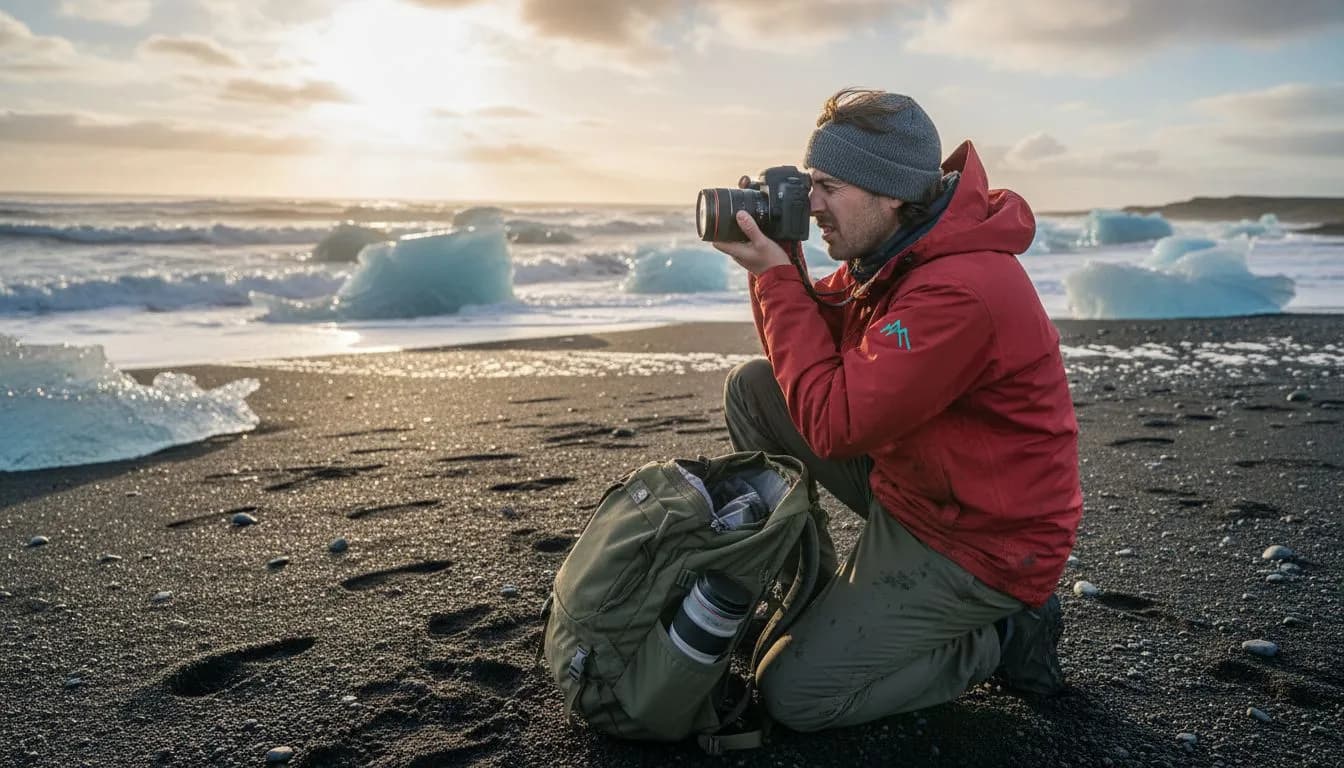
Travel photography in Iceland is full of challenges. The weather can shift in minutes, light changes rapidly, and the landscapes demand careful timing and unique techniques. Finding practical ways to capture stunning images while balancing adventure and safety is not always straightforward. Whether you want to show off epic glaciers, hidden waterfalls, or intimate moments on Iceland’s black sand beaches, your approach matters more than you think.
The good news? You can use proven methods to create dramatic, unforgettable photographs—without spending years of trial and error. This list will guide you through actionable tips for shooting at locations like Diamond Beach where icebergs glitter like jewels, using advanced drones for breathtaking aerial views, and composing powerful stories among Icelandic waterfalls and horses.
Get ready to discover step-by-step advice and insider secrets that will help you turn each Icelandic scene into a visual story worth sharing. Your next adventure could produce your most memorable images yet.
Table of Contents
- Capture Sunrise Magic at Diamond Beach
- Use Drones for Breathtaking Aerial Views
- Tell Your Story Among Icelandic Waterfalls
- Embrace Moody Weather for Dramatic Shots
- Frame Intimate Couple Moments at Black Sand Beaches
- Highlight Icelandic Horses in Natural Settings
- Showcase Adventure with Glacier Hikes and Ice Caves
Quick Summary
| Takeaway | Explanation |
|---|---|
| 1. Arrive early for sunrise at Diamond Beach | Being there 30-45 minutes before sunrise ensures you capture the best light for photographing icebergs. |
| 2. Use moody weather for dramatic photography | Embrace unpredictable conditions to add emotional depth and unique atmospheres to your images. |
| 3. Capture human elements in waterfall shots | Including yourself or companions adds scale and emotional connection to the majestic scene. |
| 4. Frame couple moments carefully on black sand beaches | Position couples in the foreground against dramatic landscapes to enhance emotional storytelling. |
| 5. Prioritize safety while exploring glaciers | Always go with a professional guide and remain aware of glacier risks to ensure a safe and enjoyable adventure. |
1. Capture Sunrise Magic at Diamond Beach
Diamond Beach offers one of Iceland’s most mesmerizing photography opportunities, where icebergs glitter like precious gems against black volcanic sand. The contrast between the frozen white ice and the dark shore creates a visual drama that photographers spend years chasing elsewhere.
Why does sunrise matter here? The golden hour light transforms the ice from plain white into shimmering crystalline sculptures. When sunlight hits the icebergs at a low angle, each crack and crevasse glows from within, revealing the ice’s internal structure. This interplay of light creates textures and depth that midday light simply cannot replicate.
Diamond Beach’s icebergs drift into the lagoon from the Breiðamerkurjökull glacier and wash ashore with the tide, but their appearance changes dramatically with the light. Your timing makes all the difference between a flat, lifeless image and a photograph that captures genuine magic.
Here’s what you need to know:
- Arrive 30 to 45 minutes before sunrise to position yourself and scout compositions
- Use wide-angle lenses (14-24mm) to show the icebergs against the expansive black sand landscape
- Get low and shoot from sand level for dramatic perspective that emphasizes scale
- Protect your camera from ocean spray with a UV filter and lens cloth
- Bring a tripod to keep your composition stable on the uneven beach
The magic at Diamond Beach happens in those first 20 minutes after sunrise when the light turns ice into pure gold.
Your positioning is crucial. Rather than standing at eye level, crouch down or lie on the sand to shoot upward at the icebergs. This angle makes them tower above you and fills your frame with more sky and light. The black sand becomes a bold foreground that anchors your composition.
Consider the tide schedule. Icebergs wash ashore and retreat with the tides, meaning certain ice formations only exist during specific windows. Check tide times before you go and plan your shoot accordingly. You might discover a perfectly positioned iceberg only during low tide.
Bring extra batteries. Cold drains power faster than you’d expect, and standing in freezing ocean spray while waiting for sunrise is not the moment to realize your battery died. Pack two or three fully charged batteries and keep extras warm in your jacket pocket.
Pro tip: Shoot in RAW format to preserve the delicate highlights in the ice and shadows in the sand, giving you maximum flexibility when editing those golden sunrise tones later.
2. Use Drones for Breathtaking Aerial Views
Drone photography transforms how you capture Iceland’s vast landscapes by revealing perspectives impossible from the ground. A well-positioned aerial shot shows the scale and geometry of glaciers, waterfalls, and black sand beaches that ground-level photos simply cannot convey.
Why does altitude matter for your story? From above, you see patterns and relationships between landscape features that ground photographers miss entirely. A waterfall becomes a dramatic cascade cutting through layered terrain. A glacier reveals its intricate crevasse patterns. These aerial perspectives add dimension and drama to your adventure narrative.
Modern consumer drones have become remarkably capable. Top drone brands now offer models with obstacle avoidance, extended battery life, high-resolution cameras, and AI-powered flight control that makes aerial photography accessible even for beginners. You no longer need aviation expertise to capture professional-quality aerial imagery.
What you need to succeed with drone photography:
- A quality drone with stabilized camera and at least 20-megapixel resolution
- Spare batteries because cold Icelandic air drains power quickly
- ND filters to control exposure in bright daylight conditions
- Knowledge of local flight regulations and drone-free zones
- Practice flying in calm conditions before tackling challenging weather
Drones reveal Iceland’s true scale in ways that ground-level photography cannot match.
Iceland has specific drone regulations you must follow. Always check flight restrictions before launching. Many protected areas and national parks prohibit drone flights, so research your location thoroughly. Respecting these rules protects the environment and keeps your adventure legal.
Battery management is critical in Iceland’s cold climate. Lithium batteries lose efficiency in freezing temperatures, sometimes dropping 30 percent of their capacity. Keep spare batteries warm in an insulated bag and swap them frequently during your shoot.
Consider taking drone photography courses to master flight planning, composition, and post-processing. Understanding drone navigation and mapping software elevates your aerial work from interesting shots to compelling storytelling through the sky.
Start with simple compositions. A single sweeping movement reveals landscape structure. Circular movements around a subject create cinematic drama. Smooth, intentional movements tell better stories than jittery, rushed footage.
Pro tip: Shoot aerial footage at 24 frames per second in 4K resolution for cinematic quality, then extract high-resolution stills during editing to maximize your creative options without adding weight to your travel gear.
3. Tell Your Story Among Icelandic Waterfalls
Iceland’s waterfalls are more than scenic backdrops for your camera. They are powerful storytellers that reveal your adventure, emotion, and personal journey through dramatic natural theater. When you photograph a waterfall, you are capturing a moment where water meets rock, where power meets vulnerability, where your story intersects with one of Earth’s most stunning forces.
Why do waterfalls matter for your narrative? Waterfalls in Iceland offer an estimated 10,000 locations with diverse photographic opportunities, each one framed by dramatic landscapes and frequent misty, rainbow-filled effects. A waterfall becomes your stage, and light becomes your storyteller. When you position yourself intentionally within that scene, your image transforms from a pretty landscape into a personal memoir.
Your presence in the photograph matters more than you might think. Including yourself or your travel companion near the waterfall scale creates an emotional anchor point for viewers. They see the human element and immediately understand the magnitude of what you experienced. You are no longer just documenting a waterfall; you are sharing what it felt like to stand there.
Timing and light shape your waterfall story:
- Early morning light creates softer tones and fewer crowds for intimate moments
- Late evening produces warm golden reflections in mist and water spray
- Overcast conditions reduce harsh shadows and create even, dramatic lighting
- Midday sun creates harsh contrast but intense rainbow effects in spray
- Plan around weather forecasts to catch rainbow opportunities
Your presence in the frame transforms a waterfall photograph into a personal adventure story.
Scout locations before sunrise or sunset to understand the terrain and find your unique angle. Skogafoss, one of Iceland’s iconic 60-meter cascades, has a 527-step staircase leading to panoramic views. Climbing these stairs takes effort, but the reward is a perspective few visitors bother to capture. Your willingness to climb, hike, and position yourself differently tells a story about your adventure itself.
Consider what your waterfall image says about your personality. Are you the adventurous type who walks behind the waterfall? The contemplative traveler who sits and observes? The explorer who climbs high for the rare perspective? Your choices within the frame reveal your character.
Use the water’s power as a visual metaphor. Fast-shutter speeds freeze the cascade in crystalline detail. Slow shutter speeds blur the water into silky, flowing ribbons that suggest movement and freedom. Your shutter speed choice communicates whether you see the waterfall as a powerful force or a gentle, flowing companion to your journey.
Pro tip: Bring a sturdy polarizing filter to reduce glare from mist spray and water, intensify rainbow colors, and darken the sky without sacrificing waterfall detail in your final image.
4. Embrace Moody Weather for Dramatic Shots
Most travelers curse Iceland’s unpredictable weather. You should celebrate it. Moody conditions create the emotional depth and visual drama that turn ordinary landscape photos into unforgettable images. While clear skies are beautiful, stormy clouds and fog reveal Iceland’s true character.
Why does weather matter more than light? Iceland’s subarctic oceanic climate features rapidly changing conditions with frequent rain, fog, wind, and cloud cover. This variability offers photographers unique atmospheric effects that clear days simply cannot deliver. A storm rolling across a black sand plain creates tension and power. Fog enveloping a glacier adds mystery and emotion. Rain-soaked lava fields gain depth and dimension.
Your camera sees these conditions differently than your eye does. What feels gray and disappointing in person often translates to rich, complex tones in your photograph. The camera loves contrast between dark storm clouds and distant sunlight breaking through. It captures the texture in fog layers rolling across terrain.
Think of moody weather as a filter applied by nature itself. Low light naturally emphasizes shapes and silhouettes over color. Storm clouds create dramatic gradients across the sky. Wind-blown rain adds texture and movement to your images. These are elements you cannot manufacture in post-processing.
How to work with challenging weather conditions:
- Increase your ISO to compensate for low light without losing sharpness
- Use slower shutter speeds to capture movement in clouds and rain
- Shoot in RAW format to recover detail in both highlights and shadows
- Position yourself so backlit clouds create rim lighting on foreground elements
- Embrace silhouettes when bright gaps appear behind dark subject matter
- Wait for breaks in clouds that create directional light through the gloom
Moody weather is not an obstacle to photography. It is your greatest creative opportunity.
The weather can change multiple times in a single day, which means your creative possibilities multiply. A location you visited under gray skies this morning transforms completely under different atmospheric conditions by afternoon. This isn’t frustrating; it is permission to return and discover new stories.
Rain and wind demand practical preparation. Protect your lens with a UV filter and bring microfiber cloths. Use a weather-sealed camera body if possible. Angle your lens downward slightly to let rain run off rather than pool on the glass. These simple steps keep you shooting while other photographers retreat.
The emotional power of moody photographs resonates deeply with viewers. Storm-lit landscapes feel urgent and alive. Fog-shrouded scenes feel intimate and mysterious. Your adventure story gains authenticity when your images match the actual conditions you experienced.
Pro tip: Shoot moody weather in aperture priority mode with auto ISO, allowing your camera to adjust sensitivity automatically while you control depth of field and focus on composition.
5. Frame Intimate Couple Moments at Black Sand Beaches
Black sand beaches transform couple photography from simple snapshots into deeply emotional storytelling. The stark, dramatic contrast of jet-black volcanic sand against crashing Atlantic waves creates a naturally cinematic backdrop that amplifies intimacy rather than diminishing it. When you frame two people against this raw landscape, their connection becomes the focal point against nature’s power.
Why does the black sand setting enhance couple moments? The visual drama works psychologically. Viewers see the darkness and wildness of the environment, then discover the warmth and tenderness between two people. This contrast tells a story about finding connection in challenging circumstances. It mirrors the reality of adventure travel itself.
Reynisfjara exemplifies this perfectly with its dramatic basalt columns and Reynisdrangar sea stacks creating a cinematic frame around intimate moments. The basalt cave Hálsanefshellir offers sheltered compositions, while the offshore formations create layered depth that makes couples feel surrounded by Iceland’s wild beauty. Yet these stunning formations require safety awareness and intentional timing.
Golden hour timing transforms your couple photography:
- Sunrise provides soft, warm light that flatters skin tones without harsh shadows
- Sunset creates rich amber tones that complement the black sand contrast
- Late afternoon light rakes across the beach, emphasizing texture and drama
- Avoid midday harsh light that flattens features and creates unflattering shadows
- Plan shoots during predictable daylight hours to ensure safety and composition quality
Intimate couple moments shine brightest when framed against Iceland’s raw, dramatic landscapes.
Composition matters when telling a couple’s story against overwhelming scenery. Position your subjects in the foreground rather than lost in the distance. Use the basalt columns and sea stacks as framing elements that draw eyes toward your couple. The landscape becomes a supporting character in their love story, not the main subject.
Safety is non-negotiable at black sand beaches. Sneaker waves strike without warning, and the black sand hides the waves’ approach until they surge ashore. Scout your location during low tide, establish safe positions away from the waterline, and never turn your back on the ocean. Your couple’s safety enables authentic, relaxed moments that show in the final images.
Consider what the beach setting communicates about your couple. Black sand beaches feel raw, adventurous, and genuine. They suggest a couple comfortable with challenge and each other. If your couple’s story is about shared adventure and pushing boundaries together, this setting amplifies that narrative perfectly.
Capture authentic interaction rather than posed moments. Walking hand-in-hand along the beach tells a different story than facing the camera directly. A quiet moment looking toward the horizon together reveals tenderness. Genuine laughter amid the wind and waves reads as real connection.
Pro tip: Shoot in burst mode during windy conditions to capture genuine expressions and movement, then select the sharpest frame where both subjects look naturally connected rather than forced.
6. Highlight Icelandic Horses in Natural Settings
Icelandic horses are not just animals. They are living symbols of Iceland’s heritage and resilience, preserved pure for over 1,000 years. Photographing them in their natural landscape transforms your images from simple animal portraits into cultural storytelling that reveals what it truly means to belong to this land.
Why do Icelandic horses make compelling photographic subjects? These sturdy, colorful animals possess a distinctive presence that larger European breeds lack. Their varied coat colors, from dappled grays to deep blacks and vibrant chestnuts, create striking contrast against Iceland’s muted landscape palette. They move with purpose and grace, making dynamic subjects that reward patient observation.
The Icelandic horse breed represents centuries of genetic purity and adaptation to harsh climates. This heritage matters for your visual story. When you photograph an Icelandic horse, you are capturing not just an animal but an ancestral connection between people and place. The horse’s presence anchors your images in Iceland’s authentic identity.
These horses exhibit distinctive gaits including the unique tölt, a smooth four-beat gait that sets them apart from other breeds. When you capture a horse in motion, especially executing these characteristic movements, your photograph tells a story about Icelandic culture and equestrian tradition. The visual drama of movement adds energy to your compositions.
How to photograph Icelandic horses effectively:
- Scout locations near farms or open pastures where horses graze freely
- Shoot during golden hour when warm light flatters the horses’ coat colors
- Position yourself low to emphasize the horse’s strength against the sky
- Use wide-angle lenses to show the horse within its landscape context
- Capture natural behavior like grazing, walking, or interacting with each other
- Approach quietly and respectfully to maintain authentic moments
- Research local horse farms that welcome photographers and visitors
Icelandic horses are storytellers themselves, connecting you visually to Iceland’s untamed heritage.
Location selection elevates your horse photography from ordinary to exceptional. Natural light conditions transform landscapes into compelling backdrops. Position horses near dramatic terrain, glaciers, or volcanic rock formations to create layered compositions where the horse becomes foreground interest within a grander Icelandic narrative.
Respect the animals and their owners. Always ask permission before photographing horses on private land. Understand that these are working animals, and your presence must not disrupt their daily routines. Building relationships with local farmers can lead to access and trust that results in more relaxed, authentic photographs.
Color plays a vital role in composition with Icelandic horses. A chestnut horse against green moss and dark lava rock creates rich chromatic contrast. A pale dappled gray against storm clouds becomes almost ethereal. Use the horse’s coloring as a compositional anchor rather than fighting it.
Capture behavioral moments that reveal character. A horse shaking its mane in wind conveys wild freedom. A small horse with its foal suggests nurturing and heritage continuity. These authentic moments tell richer stories than posed, static compositions.
Pro tip: Shoot in aperture priority mode with a moderately stopped-down aperture like f/5.6 to keep both the horse’s eyes and the landscape background reasonably sharp, creating context without distracting bokeh.
7. Showcase Adventure with Glacier Hikes and Ice Caves
Glacier photography captures more than ice and snow. It documents your courage, your willingness to venture into one of Earth’s most otherworldly environments, and your commitment to experiencing Iceland’s raw power. When you photograph a glacier, you are creating a visual record of your own transformation through adventure.
Why do glaciers demand special attention from photographers? Iceland’s glaciers cover approximately 11 percent of the country, creating an ever-changing landscape of ice formations and hidden passages. These frozen worlds exist in constant flux. Crevasses shift, ice bridges collapse, and caves that existed last season may vanish this year. This impermanence makes every photograph precious and unrepeatable.
Ice caves within glaciers are particularly magical for photography. These natural cavities form from meltwater and geothermal heat, creating ethereal blue chambers that feel otherworldly. The blue light penetrates the ice itself, producing colors you cannot find anywhere else on Earth. Ice pillars, arches, and surreal formations create compositions that transcend conventional landscape photography.
Safety is non-negotiable when photographing glaciers. Never explore a glacier without a professional guide who understands crevasse hazards and unstable formations. Your guide ensures you access the most photogenic locations safely while understanding which ice formations are stable enough to approach. This partnership between photographer and guide transforms risk into managed adventure.
Essential elements for glacier photography:
- Book guided glacier hikes with outfitters experienced in photographer access
- Wear specialized crampons and bring trekking poles for stable footing
- Use wide-angle lenses to capture the massive scale of ice formations
- Bring polarizing filters to reduce glare from bright white ice and blue sky
- Pack extra batteries as cold drains power rapidly
- Protect your camera with weather sealing and consider a UV filter
- Shoot RAW to preserve detail in both bright ice and shadowed crevasses
Glacier photography requires respect, preparation, and humility before nature’s power.
Composition within glacial landscapes demands intentional choices. Position yourself to show scale by including your guide or another hiker in the frame. This human reference point helps viewers understand the enormity of the ice formations surrounding you. A small figure against towering ice walls communicates both vulnerability and adventure.
Light behaves differently on glaciers. The ice reflects and refracts sunlight in ways that fool your camera’s metering system. Expose for the ice to preserve detail, knowing that foreground areas may underexpose. Bracketed exposures give you flexibility during post-processing to recover shadows and highlights.
Cave photography inside glacial ice requires patience and sensitivity to light. The blue tones come naturally from ice absorbing red light wavelengths. Avoid using flash, which destroys the natural luminosity and creates harsh shadows. Instead, use longer exposures and higher ISO to capture the cave’s ethereal atmosphere.
Your story within the glacier becomes a powerful narrative element. Document the journey to the cave entrance. Capture the moment of wonder when you first see the blue ice cathedral. These sequential moments create a journey narrative rather than isolated landscape images.
Pro tip: Shoot during midday or early afternoon when sunlight penetrates deepest into ice caves, creating the most vivid blue tones while maintaining safe visibility and footing on slippery glacier surfaces.
Below is a comprehensive table summarizing the photography tips and techniques described in the article for capturing unique moments in Iceland’s landscapes.
| Location/Concept | Key Techniques | Benefits |
|---|---|---|
| Diamond Beach Sunrise | Arrive early for scouting compositions, use wide-angle lenses, position low to capture scale, and consider tide schedules. | Golden light enhances ice textures, creating dramatic and shimmering visuals. |
| Aerial Drone Photography | Select drones with stabilized cameras, check flight regulations, manage batteries, and focus on smooth movements. | Achieve unparalleled perspectives of natural formations and landscapes. |
| Waterfall Photography | Incorporate human elements for scale, consider timing and weather for effects, and use varied shutter speeds. | Images convey personal stories and capture dynamic natural beauty. |
| Moody Weather Shots | Increase ISO for low light, embrace silhouettes, and prioritize weather protection for equipment. | Captivates viewers with dramatic landscapes and atmospheric tones. |
| Couple Photography on Black Sand Beaches | Use natural features for framing, time shoots with optimal light, and ensure safety from sneaker waves. | Highlights intimacy against Iceland’s raw beauty, emphasizing contrast and connection. |
| Icelandic Horses in Nature | Capture natural behaviors, scout unique settings, and position subjects against natural backdrops. | Creates cultural storytelling with dynamic and picturesque compositions. |
| Glacier and Ice Cave Adventures | Book guided tours, use polarizing filters, and compose with human scale for perspective. | Reveal the otherworldly beauty of ice formations while ensuring safety in exploration. |
Elevate Your Iceland Photography Adventure with Lucy Moments PHOTOGRAPHER
Capturing the mesmerizing magic of Diamond Beach icebergs, breathtaking aerial views, intimate moments at black sand beaches, and the raw power of glaciers requires more than just a camera. The challenges of unpredictable weather, cold battery drain, and the need for unique storytelling through light and composition can overwhelm even the most passionate adventurers. Whether you want to preserve your story among Iceland’s waterfalls or showcase your connection with Icelandic horses, expert guidance and a professional eye can transform your images into compelling narratives that resonate deeply.

Unlock the full potential of your Iceland journey by partnering with Lucy Moments PHOTOGRAPHER. Benefit from a photographer who understands how to capture authentic emotions amid Iceland’s rugged landscapes. From adventurous couples seeking intimate moments at Reynifjara to solo travelers wanting aerial perspectives that tell their story, Lucy Moments offers personalized photography services designed for your unique experience. Don’t let fleeting light, harsh weather, or complex compositions limit your memories. Explore how to turn your adventure into stunning visual stories by visiting Lucy Moments PHOTOGRAPHER now and book your session to secure your place during peak Icelandic light and mood.
Discover more about what makes each moment special and how we bring it to life through photography at Lucy Moments PHOTOGRAPHER. Your unforgettable Iceland story deserves to be told with passion and artistry—start creating yours today.
Frequently Asked Questions
What is the best time to photograph Diamond Beach in Iceland?
The ideal time to photograph Diamond Beach is during the golden hour at sunrise. Arrive 30 to 45 minutes before sunrise to scout the area and set up your composition for stunning ice captures against the black sand.
How can I effectively use a drone for aerial photography in Iceland?
To effectively use a drone, ensure you have a quality model with a stabilized camera and good battery life. Plan your shots by practicing in calm conditions, and research local regulations to avoid flying in prohibited areas.
What should I consider when photographing waterfalls in Iceland?
When photographing waterfalls, pay attention to the light and time of day. Early morning or late evening light offers softer tones and fewer crowds, making it easier to capture intimate moments by the falls.
How do I prepare for unpredictable weather during photography sessions in Iceland?
Embrace Iceland’s unpredictable weather by coming equipped with weather-sealed gear and using a UV filter to protect your lens. Monitor weather changes regularly, and be ready to adapt your plans to seize unique atmospheric photography opportunities.
How can I create emotional couple moments against Iceland’s black sand beaches?
To showcase emotional couple moments, frame your subjects in the foreground against the dramatic backdrop. Focus on capturing candid interactions, which reveal genuine connection rather than staged poses in this raw landscape.
What techniques enhance photographs of Icelandic horses?
To enhance photographs of Icelandic horses, aim to shoot during golden hour to highlight their colorful coats against the landscape. Respect the horses’ space and capture them in natural behavior for authentic storytelling within your images.