Travel Photography and Storytelling in Iceland
Travel photography showcases adventure, emotion, and Icelandic landscapes. Learn types, storytelling methods, ethical concerns, and mistakes to avoid.
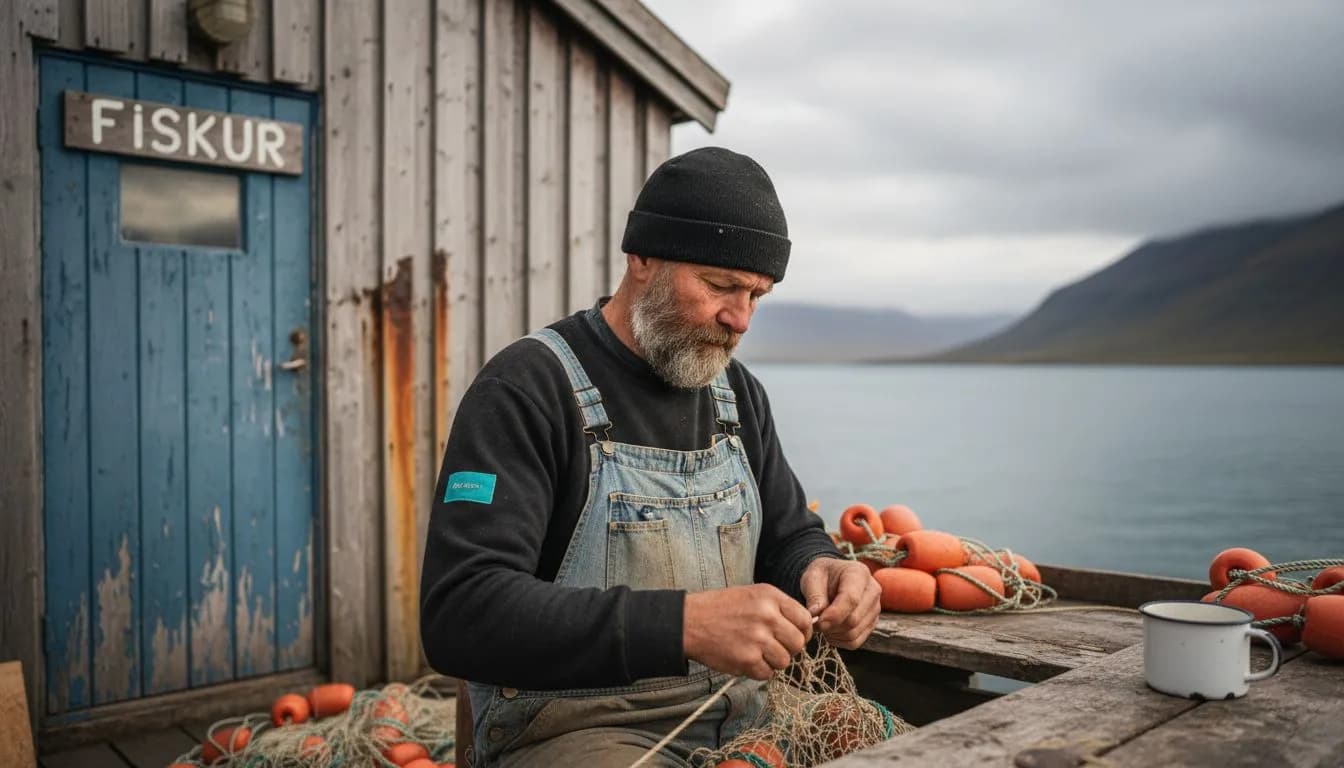
Stepping into the untamed beauty of Iceland, many travelers soon realize that memorable travel photography is about more than checking off famous spots. When you aim to capture the emotion and story of your journey, each photo becomes a piece of your personal adventure, revealing how you experienced Iceland’s striking landscapes and vibrant culture. By moving beyond snapshots and embracing authentic, thoughtful storytelling, you transform your images into lasting memories that speak to both your heart and your viewers.
Table of Contents
- Defining Travel Photography And Key Misconceptions
- Types Of Travel Photography And Distinct Approaches
- Telling Personal Stories Through Travel Images
- Tools, Techniques, And Working In Iceland
- Ethical Challenges And Common Mistakes To Avoid
Key Takeaways
| Point | Details |
|---|---|
| Travel Photography is More Than Just Gear | It’s about understanding composition, light, and cultural context. Your unique perspective makes the difference, not the camera you use. |
| Intentionality Enhances Your Storytelling | Before photographing in Iceland, define specific emotions or themes to convey, transforming your shots from mere documentation to personal narratives. |
| Adaptability is Crucial | Embrace Iceland’s unpredictable conditions; flexibility in approach will enhance your ability to capture compelling stories. |
| Respect Ethical Considerations | Always seek consent from subjects and remain mindful of cultural sensitivities; authenticity matters more than dramatic imagery. |
Defining Travel Photography and Key Misconceptions
Travel photography isn’t just about snapping pictures of famous landmarks. It’s about capturing the essence of a place and the emotions you feel while experiencing it.
Travel photography as a genre involves documenting landscapes, people, cultures, customs, and history while expressing the feeling of a specific time and place. For you as a traveler, this means your images should authentically represent what Iceland truly is, not just what postcards show.
Many people assume travel photography is either a purely commercial pursuit or something anyone can do with a smartphone. Neither is accurate. Travel photography requires understanding light, composition, and the cultural contexts of your subjects. It’s a thoughtful practice, not casual snapshot-taking.
The Real Nature of Travel Photography
Travel photography combines artistic vision with documentary responsibility. You’re not just recording what you see; you’re interpreting and sharing your personal perspective of Iceland’s raw beauty and your journey through it.
This genre thrives on working under unpredictable conditions, which Iceland knows well. Your camera will face:
- Rapidly changing weather and dramatic lighting
- Limited access to certain locations or timing windows
- Technical challenges from cold temperatures and moisture
- The pressure to capture moments that may never repeat
When you understand how photography serves as a storytelling medium, you shift from documenting places to creating narratives. Your Iceland photos become personal stories, not travel brochures.
Common Misconceptions That Hold You Back
Three myths often prevent travelers from creating meaningful work:
Misconception 1: Better gear equals better photos. A professional camera doesn’t replace understanding composition, light, and storytelling. Your perspective matters more than your equipment.
Misconception 2: Travel photography is easy. The reality is harder. You’re working with unpredictable natural light, weather, and conditions beyond your control. You’re learning a new environment while capturing authentic moments. That’s genuinely challenging work.
Misconception 3: You need formal training. While learning helps, travel photography rewards curiosity, practice, and willingness to experiment. You develop skill by shooting in real situations, not just in classrooms.
Iceland’s extreme conditions—volcanic landscapes, midnight sun in summer, darkness in winter—demand adaptability. That’s not a limitation; it’s an opportunity to create truly distinctive work.
Your travel photos reveal how you see the world, not just where you’ve been. That unique perspective is what transforms ordinary travel documentation into compelling storytelling.
When you approach Iceland with intentionality about what you want to communicate through your images, every shot becomes part of a larger narrative about your journey and discovery.
Pro tip: Before your Iceland trip, spend time identifying specific emotions or themes you want your photos to convey, rather than obsessing over capturing every famous landmark. This intentional approach will help you create a cohesive visual story that actually means something to you.
Types of Travel Photography and Distinct Approaches
Travel photography isn’t one-size-fits-all. Different approaches let you tell different stories about Iceland and your experience there.
Travel photography encompasses several types including portraiture, landscape, documentary, and wildlife. Each has its own purpose, technique, and emotional impact. Understanding these distinctions helps you choose approaches that match what you actually want to communicate.
For adventure-seeking travelers like you, blending multiple approaches often works best. You might capture sweeping landscape images, then shift to street photography when you encounter locals, then document wildlife when opportunities arise. This flexibility lets your story evolve naturally.
Here’s how different travel photography approaches compare in Iceland:
| Approach Type | Main Focus | Key Skills Needed | Emotional Impact |
|---|---|---|---|
| Landscape | Natural and urban scenery | Composition, light control | Awe, solitude, wonder |
| Cultural/Portraiture | People & cultural moments | Empathy, connection, timing | Warmth, humanity, insight |
| Street/Documentary | Daily life, spontaneous events | Observation, patience | Authenticity, realism |
| Wildlife | Animals in their habitat | Stealth, distance judgment | Admiration, discovery |
Landscape Photography: The Dramatic Backdrop
Landscape photography focuses on natural and urban environments. In Iceland, this means volcanic fields, glaciers, waterfalls, and geothermal areas that form the dramatic backdrop of your journey.
What makes landscape work in Iceland:
- Extreme light conditions create visual drama unavailable elsewhere
- Vast, empty vistas emphasize scale and solitude
- Changing seasons transform the same location completely
- Natural elements convey emotion without people required
Landscape photography trains you to see composition and light. But remember—the landscape alone isn’t your story. It’s how that landscape made you feel, what it meant to your journey.
Cultural and Portraiture Photography: Connecting with People
Portriture focuses on people and their culture. This approach requires different skills: patience, genuine human connection, and respect for your subjects.
When photographing Icelandic communities or people you meet:
- Build trust before raising your camera
- Capture candid moments, not forced poses
- Show context—where people live, what they do, how they interact
- Respect cultural sensitivity and always ask permission
Cultural photography transforms your trip from a solo adventure into a shared human experience. These images reveal not just what Iceland is, but who Icelandic people are.
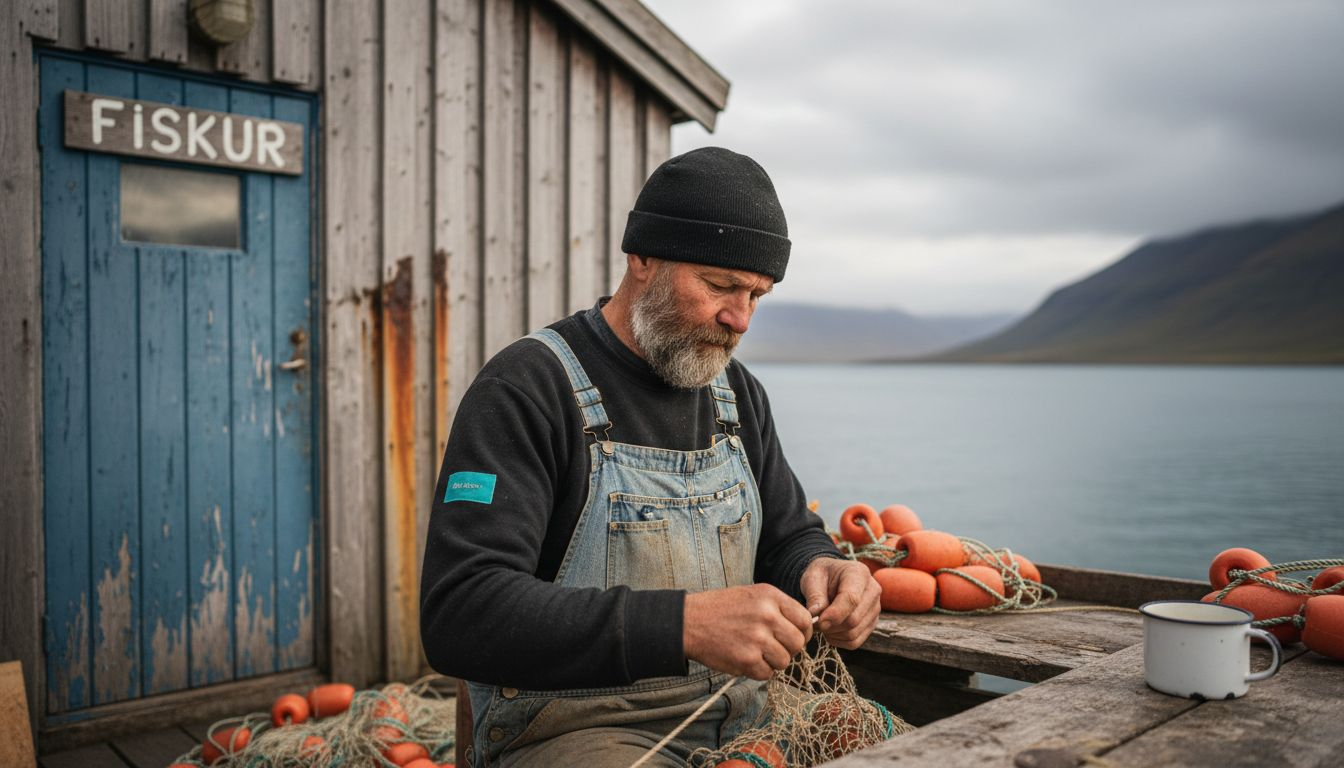
Street and Documentary Photography: Everyday Stories
Street and documentary approaches document everyday life spontaneously. These images capture authentic moments—a fisherman’s weathered hands, a café conversation, morning light on an old stone wall.
This style rewards:
- Being present and observant rather than planning shots
- Capturing unguarded moments that reveal truth
- Building visual narratives through sequences of images
- Finding beauty in ordinary details others overlook
Street photography teaches patience. You wait for the right light, the right expression, the right moment when everything aligns. Iceland’s dramatic landscapes combined with quiet human moments create uniquely compelling documentary work.
The best travel photographers aren’t specialists in one type—they’re adaptable storytellers who shift approaches based on what each location and moment demands.
You don’t need to master all approaches before your trip. Start by identifying which resonates most with your personality, then experiment with blending approaches as you gain confidence.
Pro tip: Choose one primary approach (landscape, cultural, or street) for your Iceland trip, then dedicate one day to deliberately experimenting with a different style. This deliberate practice expands your creative range without overwhelming your planning.
Telling Personal Stories Through Travel Images
Your Iceland photos aren’t just documentation. They’re your unique perspective on a place, a moment, and a personal journey that nobody else will experience exactly the way you do.
Photography serves as a powerful tool for sharing personal narratives that go beyond what words alone can convey. Your travel images preserve not just what Iceland looks like, but how it made you feel—the vulnerability, awe, discovery, and connection you experienced.
The difference between a photo and a story lies in intentionality. A snapshot captures a moment. A story captures meaning. When you shift your approach, your images transform into something that genuinely resonates with viewers.
Moving Beyond Pretty Pictures
Iceland is visually stunning. That’s both gift and challenge. Thousands of travelers photograph the same waterfalls, glaciers, and black sand beaches. Your images need something more: your perspective, your emotional truth, your unique interpretation.
Start asking different questions:
- What does this moment mean to me specifically?
- What emotion am I trying to communicate?
- What details reveal something true about my experience?
- How does this place challenge or change my understanding?
When you photograph from this mindset, your images develop authenticity and depth that generic travel content lacks. Viewers feel the difference immediately.
The Power of Context and Connection
Personal storytelling in travel photography involves documenting intimate experiences and immediate moments. This means capturing not just what you see, but what it means to you.
Context transforms images:
- A weathered fishing boat isn’t just an object—it’s a symbol of tradition, isolation, perseverance
- A local’s face isn’t just a portrait—it’s a story of resilience, kindness, livelihood
- A moment of solitude isn’t just a landscape—it’s your emotional journey of discovery
When you include context through composition, expression, and detail, your images invite viewers into your specific experience rather than asking them to admire Iceland’s generic beauty.
Building Your Visual Narrative Arc
Think of your Iceland photos as chapters in a book, not isolated images. Strong travel storytelling follows a narrative arc—beginning, middle, and resolution.
Structure your images:
- Opening: Images that establish mood and place
- Development: Moments that reveal character, challenge, and discovery
- Climax: Your most vulnerable or transformative moment
- Resolution: How Iceland changed your perspective
This structure makes your collection feel like a complete story rather than a random assortment of shots.
Your most powerful travel images aren’t the prettiest ones—they’re the ones that reveal something true about who you are and what matters to you.
When you sequence your photos intentionally, viewers follow your emotional journey, not just your travel itinerary. That’s when images become storytelling.
Pro tip: After your Iceland trip, spend an evening selecting 15-20 images that collectively tell your personal story, then arrange them chronologically and thematically to identify the narrative arc. This practice clarifies what your trip meant to you and guides how to share it meaningfully.
Tools, Techniques, and Working in Iceland
Iceland demands more than good intentions and a camera. The environment is unforgiving—extreme light, rapid weather changes, and unpredictable conditions require both the right gear and the technical knowledge to use it effectively.
Essential Gear for Iceland
You don’t need every piece of equipment ever invented, but certain tools become non-negotiable in Iceland’s harsh conditions.
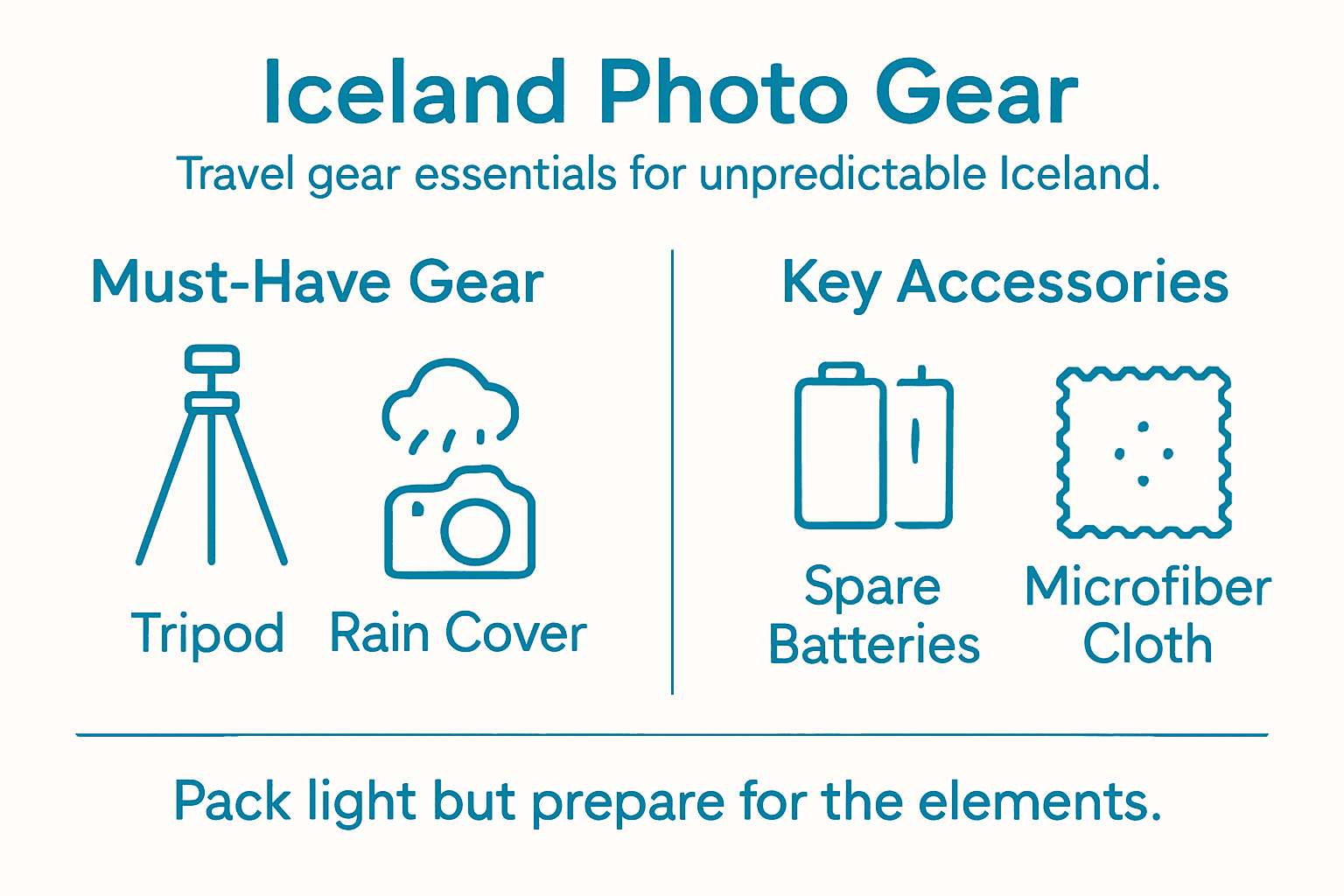
Core equipment includes:
- Wide-angle lens (14-24mm) for capturing expansive landscapes and vast vistas
- Sturdy tripod for stability in wind and long-exposure work
- Polarizing filter to reduce glare from water, ice, and snow
- Weather-resistant gear including camera rain covers and protective bags
- Extra batteries (cold drains them faster than you’d expect)
- Neutral density filters for controlling exposure in bright daylight
These tools address Iceland-specific challenges. A tripod isn’t luxury—it’s essential for consistent compositions when wind is constant. Polarizing filters cut reflections that would otherwise ruin water and sky details.
Use this reference table to plan for Iceland’s technical challenges:
| Challenge | Recommended Gear | Why It’s Needed |
|---|---|---|
| High winds | Sturdy tripod | Stability for sharp images |
| Cold temperatures | Extra batteries | Power drops quickly in the cold |
| Unpredictable weather | Weatherproof camera protection | Prevents water/moisture damage |
| Intense light changes | Neutral density & polarizers | Control exposure, reduce glare |
Understanding Camera Settings for Dynamic Conditions
Understanding camera settings like shutter speed, aperture, and ISO lets you adapt to Iceland’s rapidly changing light and weather.
Key settings for Iceland work:
- Shutter speed: Slower (1-3 seconds) for waterfalls and flowing water; faster (1/500+) for movement and low light
- Aperture: Wider (f/2.8-f/5.6) for portraits and foreground; narrower (f/11-f/16) for landscape depth
- ISO: Keep low (100-400) in bright daylight; increase (800-1600+) for overcast or low-light conditions
Practice these settings before your trip. Iceland won’t wait while you fumble with your camera menu. Muscle memory with manual controls transforms you from reactive to intentional.
Specialized Techniques for Iceland
Photographers working in Iceland use specialized techniques like long exposures for waterfalls and northern lights, mastering manual settings for dynamic lighting situations.
Techniques you’ll use:
- Long exposure: 2-6 seconds for silky waterfalls and smooth rivers
- Exposure bracketing: Multiple exposures for high-contrast scenes (bright sky, dark foreground)
- Manual focus: Autofocus struggles in low light and with certain subjects
- Composition layering: Using foreground elements to add depth to landscape shots
Respecting Iceland While You Work
Technical skill matters, but so does responsibility. Iceland’s landscapes are fragile. Popular photo locations suffer damage from thoughtless crowds.
Work ethically:
- Scout locations respecthand’t always mean trampling vegetation to get the angle
- Respect closures and restricted areas—they exist for safety and preservation
- Follow marked trails rather than creating new ones
- Understand Iceland’s daylight patterns and plan shoot windows accordingly
- Work quickly and leave minimal impact
Perfect technique produces empty images if you’re not respecting the place you’re photographing. Iceland’s beauty comes from its wildness—preserve that.
When you combine technical skill with environmental respect, your work becomes something meaningful rather than just another exploitative travel image.
Pro tip: Before arriving in Iceland, spend 30 minutes learning your camera’s manual mode in a safe environment, then practice changing settings without looking. This preparedness frees you to focus on composition and storytelling instead of struggling with technical controls when the light is perfect.
Ethical Challenges and Common Mistakes to Avoid
Your camera is powerful. It can tell truth or spread distortion. It can honor people or exploit them. The images you create in Iceland carry ethical weight, whether you intend them to or not.
The Core Ethical Issues
Ethical considerations in travel photography include respecting subjects’ consent, avoiding exploitation, and truthful representation without manipulation. These aren’t abstract principles—they directly affect real people in real communities.
Common ethical pitfalls include:
- Photographing people without permission or understanding
- Reinforcing stereotypes through selective, biased imagery
- Manipulating images to distort reality or misrepresent subjects
- Ignoring cultural sensitivities around photography
- Treating vulnerable communities as exotic subjects rather than human beings
When you photograph someone, you’re making decisions about how they’re represented to the world. That responsibility matters.
Respecting Subjects and Consent
Asking permission isn’t just polite—it’s fundamental. Yet many travelers photograph locals, elderly people, and children without consent, reducing humans to photo subjects.
Before photographing anyone:
- Make eye contact and ask directly
- Explain what you’ll do with the image
- Accept refusal gracefully—not everyone wants to be photographed
- Consider payment or reciprocity if appropriate
- Follow up if you use their image publicly
Consent transforms your relationship with subjects from extractive to collaborative. They become partners in your story, not objects for your camera.
Environmental and Safety Mistakes
Common mistakes in travel photography include unsafe practices like approaching wildlife too closely and disregarding environmental preservation. These actions harm Iceland’s fragile ecosystem and create hazards.
Mistakes to avoid:
- Getting dangerously close to animals for “better” shots
- Standing in traffic or creating traffic hazards while shooting
- Straying off marked paths to access pristine locations
- Ignoring warning signs or closure notices
- Leaving impacts—trampled vegetation, disturbed nesting sites, erosion from foot traffic
One stunning photo isn’t worth damaging wildlife or landscapes that took centuries to form. Think long-term impact, not short-term dramatic images.
Post-Processing Integrity
Edit your images, but stay truthful. Removing a photobomber is fine. Removing entire sections of landscape, changing sky colors dramatically, or creating false narratives through heavy manipulation crosses ethical lines.
Ask yourself:
- Does this edit misrepresent what I actually saw?
- Would viewers understand this is edited if I told them?
- Am I changing the truth of the moment for effect?
Your most powerful images come from capturing truth authentically, not from manipulating pixels to create false narratives.
Authenticity resonates more deeply than perfection. Viewers connect with real moments, not constructed fantasies.
Pro tip: Before photographing anyone or entering a sensitive situation, pause and ask yourself: “Am I being respectful, or am I being extractive?” When you feel hesitation, listen to it. That instinct usually means you should ask permission, reconsider, or step back.
Capture Your Iceland Story with Expert Travel Photography
Travel photography in Iceland is about more than just taking pictures. It is about conveying the emotions and personal narratives behind your adventure amidst breathtaking landscapes and unique cultural moments. If you want to move beyond snapshots and truly share your individual journey, you need a photographer who understands both the unpredictability of Iceland’s environment and the art of storytelling through imagery. This is where Lucy Moments PHOTOGRAPHER excels.
Don’t let the challenges of changing light, weather, or ethical storytelling hold you back. With Lucy Moments, you gain a partner who combines technical expertise with a deep respect for Iceland’s fragile beauty and its people. Whether you seek awe-inspiring landscapes, intimate portraits, or authentic documentary-style images, explore how an intentional, emotionally expressive approach can elevate your travel memories. Visit Lucy Moments PHOTOGRAPHER today to discover portfolio inspirations, learn about personalized sessions, and book your own unforgettable Iceland experience.
Frequently Asked Questions
What is travel photography?
Travel photography is the art of capturing the essence of a place, including its landscapes, people, and cultures, while also conveying personal emotions and experiences through images.
What are the main types of travel photography?
The main types of travel photography include landscape, cultural/portraiture, street/documentary, and wildlife photography. Each type has its own focus, techniques, and emotional impacts on viewers.
How can I tell a story through my travel photos?
You can tell a story through your travel photos by thinking of them as chapters in a narrative, focusing on introducing a mood, developing character, sharing transformative moments, and providing resolutions that reflect your journey and experiences.
What technical skills should I focus on for photography in unpredictable conditions?
To handle unpredictable conditions, focus on understanding camera settings like shutter speed, aperture, and ISO. Additionally, practice techniques such as long exposure and exposure bracketing to adapt to varying light and weather conditions.